Yoga training | Programs and certification
Yoga training
A path toward teaching, professional growth, and systematic understanding of practice, from foundational training to specialized tracks.
Yoga training | Programs and certification
A path toward teaching, professional growth, and systematic understanding of practice, from foundational training to specialized tracks.
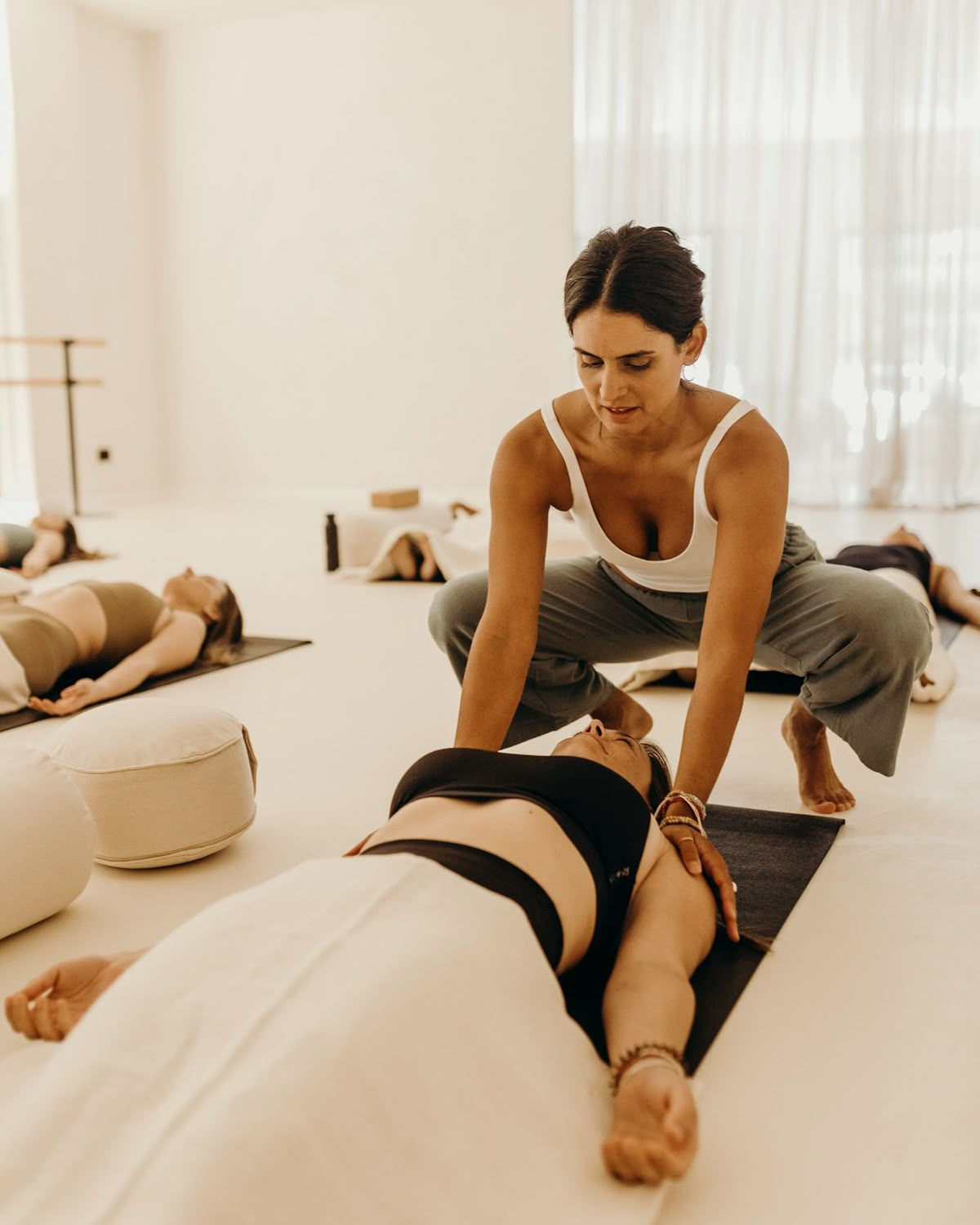
Path to teaching
Professional yoga training is not only for those who have already decided to teach. It is a path for practitioners who want to understand movement anatomy, philosophy, class methodology, and the principles of safe work with people more deeply. Systematic education helps turn personal practice into a sustainable profession or into a conscious competence that strengthens existing experience in health, sport, and education.
The program is especially useful for instructors, regular practitioners, rehabilitation specialists, fitness trainers, and those who want to move into a more meaningful profession connected with people’s development. Training opens opportunities to lead group and private classes, create original courses, work with specific audiences, and continue international certification within recognized standards.
Certification levels
Instructor training courses offered by the Yoga Federation of Uzbekistan and the Yoga Federation of Russia. YTTC-200 (200 hours) is the basic course, and YTTC-100 (yoga therapy) is the specialization course.
Learn moreAn international instructor certification system. RYT 200 is the basic course (200 hours), and RYT 300 is the advanced course. It is recognized by yoga studios and schools worldwide.
Learn moreState certification in India—the birthplace of yoga. The only body in the world that issues state certifications to yoga instructors. Levels: YPI (Protocol Instructor), YWI (Health Instructor), YT&E (Teacher and Expert), Yoga Master.
Learn moreSteps to certification
Decide whether you need foundational training, an advanced track, or a focused specialization: children’s, prenatal, or therapeutic practice.
Study theory, class methodology, anatomy, philosophy, and personal practice with curators and lead teachers.
Confirm your knowledge through a practical exam, demonstration of teaching skills, and a final program interview.
After successful completion, you receive a program certificate and can use it as a basis for further registration and growth.
Lead classes, continue supervision, collect teaching hours, and move toward the next level of professional certification.